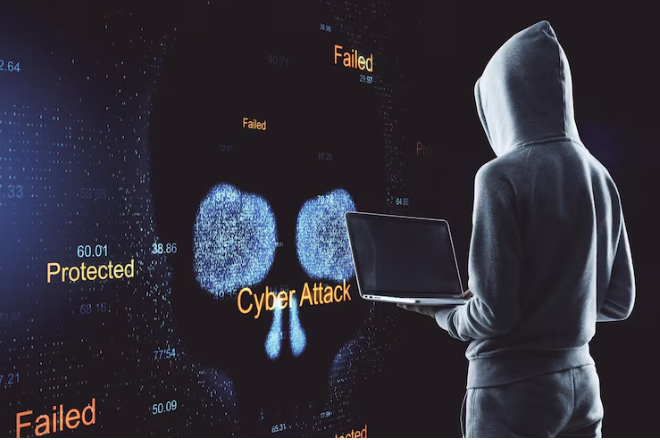
With cybersecurity threats growing in sophistication, the need for robust defense mechanisms has never been more critical. From the rise of AI-driven attacks to evolving compliance mandates, cybersecurity is constantly adapting to stay ahead of bad actors. This blog explores the latest cybersecurity news, industry trends, and groundbreaking developments shaping the future of digital security.
Whether you're an IT manager, a security professional, or simply someone looking to secure your digital assets, this article provides actionable insights and expert analysis into the key happenings in cybersecurity today.
The Evolving Threat Landscape
The Rise of AI-Powered Cyberattacks
Artificial intelligence has become a double-edged sword in cybersecurity. While it's a boon for defense mechanisms, bad actors are leveraging AI to launch increasingly sophisticated attacks like spear phishing and malware campaigns. AI-powered malware can adapt and exploit vulnerabilities faster than traditional methods.
Example:
Take the case of "DeepLocker," a proof-of-concept AI malware that adapts its behavior based on specific user targets. It uses advanced facial recognition and geolocation to hide its payloads until the conditions are perfect, making detection far more challenging.
For businesses, staying ahead requires implementing AI-based defense systems capable of counteracting dynamic threats in real time.
Ransomware-as-a-Service (RaaS)
Ransomware isn’t just a hacker's tool anymore; it’s an enterprise of its own. RaaS platforms provide a turnkey service for launching ransomware attacks, making it accessible to even low-skill hackers. Subscribers pay a fee to gain access to ransomware kits, dramatically increasing the volume of attacks worldwide.
Recent Hacking News:
The 2023 attack on a major healthcare provider in the U.S. by a RaaS group led to the theft of 10 million patient records. The organization reportedly paid millions in ransom to recover their data.
Organizations must prioritize frequent backups, endpoint protection, and real-time network monitoring as part of a comprehensive anti-ransomware strategy.
Internet of Things (IoT) Vulnerabilities
The increasing adoption of IoT devices opens new doors for attackers to exploit unsecured endpoints. Recent breaches revealed how poorly secured IoT devices in smart homes and industrial environments act as an easy gateway for accessing larger systems.
Companies must integrate IoT-specific security measures, such as firmware updates, end-to-end encryption, and strict access control to address these vulnerabilities effectively.
Emerging Solutions in Cybersecurity
Zero Trust Architecture
"Never trust, always verify" is the philosophy of Zero Trust Architecture (ZTA). With perimeter-based security no longer sufficient, ZTA ensures that access to resources requires continuous verification.
Why ZTA Matters:
- Limits lateral movement in case of a breach
- Provides granular visibility into application and user activity
- Reduces reliance on outdated perimeter-only security
Some industry leaders, like Google, have fully adopted Zero Trust through their BeyondCorp initiative, setting benchmarks for others to follow.
Behavioral Biometrics
Behavioral biometrics is quickly gaining traction as a game-changing authentication method. Instead of relying on easily compromised passwords, this technology analyzes physical behavior patterns such as typing rhythm, mouse movements, or even how a smartphone is held.
Key Advantage:
Behavioral biometrics can detect anomalies in user behavior, thwarting phishing or hijacking attempts without burdening users with additional steps.
AI-Driven Threat Detection
AI continues to be a critical ally in cybersecurity. By analyzing vast datasets and quickly identifying patterns, AI-based systems like SIEM (Security Information and Event Management) platforms are helping security professionals detect anomalies and address threats in real time.
Cyber Insurance
As cyberattacks become more inevitable than avoidable, companies are looking at cyber insurance to offset the financial impact of data breaches. However, experts caution against viewing insurance as a substitute for robust cybersecurity measures, stressing that prevention remains key.
Cybersecurity Compliance and Regulations
Governments worldwide are tightening cybersecurity protocols, meaning businesses must stay aligned with local and international compliance standards.
General Data Protection Regulation (GDPR):
Europe’s GDPR continues to push organizations globally toward better personal data handling standards. Non-compliance can result in fines up to €20 million or 4% of an organization’s annual turnover.
Cyber Incident Reporting for Critical Infrastructure Act (CIRCIA):
Introduced in the U.S., CIRCIA mandates that businesses in critical infrastructure sectors report cyber incidents to the Cybersecurity and Infrastructure Security Agency (CISA) within 72 hours.
National Cybersecurity Strategy
Countries like Australia and the UK have launched nationwide cybersecurity strategies that emphasize collaboration between public entities and private organizations. From stricter IoT regulations to supply chain diversification, these strategies aim to create robust cross-sector defenses.
Tips for Staying Ahead of Cybersecurity Changes
- Invest in Employee Training
Many breaches result from human error. Comprehensive training programs should teach employees to recognize phishing attempts, guard sensitive data, and practice strong password hygiene.
- Adopt Multi-Factor Authentication (MFA)
MFA remains a vital tool in safeguarding user accounts. It ensures a second layer of security even if a password is compromised.
- Stay Updated on the Latest Cybersecurity News
Regularly review resources like CISA alerts, cybersecurity blogs, and industry news to stay ahead of emerging threats. Staying informed is half the battle.
- Engage with Cybersecurity Frameworks
Adopting standardized frameworks like NIST (National Institute of Standards and Technology) helps enhance your business's security posture.
- Leverage Third-Party Expertise
Many businesses lack the in-house expertise to tackle cybersecurity alerts challenges. Partnering with Managed Security Service Providers (MSSPs) ensures access to skilled professionals and advanced security tools.
Is Your Business Secure?
The future of cybersecurity promises continuous innovation, yet it also brings rapidly evolving hacking news threats. Businesses cannot afford to rest on their laurels; staying proactive and agile is crucial for securing company assets and customer trust.
At the heart of all this is the need for continuous learning and adaptation. With AI-driven threats, RaaS platforms, IoT vulnerabilities, and more, cybersecurity professionals face growing challenges. However, emerging technologies like Zero Trust Architecture, behavioral biometrics, and robust compliance frameworks present pathways to resilience.
Are you prepared for what’s next in cybersecurity? Stay informed, implement best practices, and don’t hesitate to seek specialized partners to fortify your defenses.
Add comment
Comments