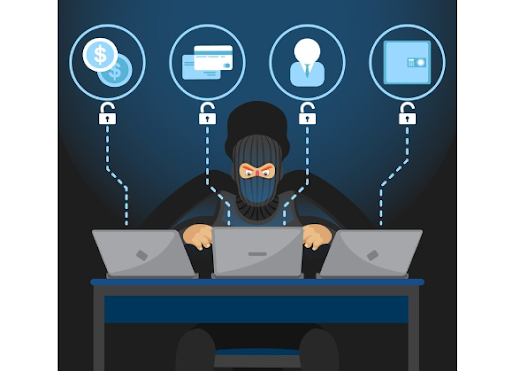
Phishing attacks continue to be one of the most pervasive and damaging tactics in the cybersecurity landscape. The headlines are loaded with reports of data breaches and ransomware news, spanning industries from healthcare to banking to education. Despite increased awareness and improved defenses, cybercriminals evolve their strategies to stay one step ahead.
This blog dives into major phishing attack incidents, breaking down the mechanics behind them and, most importantly, the lessons organizations must learn to strengthen their defenses. Whether you are a cybersecurity specialist or an IT manager, this post will provide critical insights to help you mitigate the risk of becoming the next phishing victim.
What Is a Phishing Attack?
Before unpacking real-world case studies, it’s important to understand what a phishing attack entails. A phishing attack is a method used by cybercriminals to deceive individuals into disclosing sensitive information such as login credentials, personal details, or financial data. They typically send fraudulent emails or messages that mimic legitimate institutions, such as banks or trusted services, to manipulate recipients into taking harmful actions.
Phishing has rapidly evolved, with increasingly sophisticated methods such as spear phishing, clone phishing, and voice phishing (vishing). Worse yet, these attacks are often gateways for devastating ransomware operations.
Now, let's examine key incidents that serve as cautionary tales.
Key Incidents of Phishing Attacks
1. Google's Employee Attack
One of the most notable phishing incidents occurred in 2017, impacting both Google and Facebook. An attacker impersonated a hardware supplier and tricked employees at both companies into transferring over $100 million in payments.
The criminal, Evaldas Rimasauskas, used fake email addresses and expertly spoofed invoices to appear legitimate. Since both Google and Facebook relied heavily on their hardware supplier, they unknowingly processed these fraudulent invoices for years.
Key Lesson Learned: Ensure robust supplier verification processes. This includes implementing two-factor authentication (2FA) for financial approvals and thoroughly verifying vendor information, even for routine transactions.
2. University of San Diego Ransomware Event
Phishing doesn’t just target large corporations—universities are frequent victims, too. The University of San Diego fell victim to a phishing attack in 2019 when cybercriminals gained access to employee credentials via convincing phishing emails. This led to a ransomware attack where hackers demanded payment to restore access to critical systems.
Key systems, including university email and student records, were rendered inaccessible. Unfortunately, numerous institutions, including hospitals, have faced similar ransomware outcomes following phishing attacks.
Key Lesson Learned: Conduct ongoing employee awareness training. Employees must know how to identify phishing emails and report suspicious activities. Routine drills are essential for building a vigilant workforce.
3. Colonial Pipeline Attack
The 2021 Colonial Pipeline ransomware attack is a standout in the world of ransomware news, and while it wasn’t solely a phishing attack, many reports suggest human error via phishing played a significant role. Hackers infiltrated the company’s IT network by using compromised credentials, likely stolen via phishing. This led to wide-scale gas shortages across the East Coast of the U.S. and a ransom payment of $4.4 million in Bitcoin.
Key Lesson Learned: Enforce a Zero Trust security architecture. Relying solely on perimeter security is no longer sufficient. Companies must implement identity verification protocols and limit lateral movement within networks to reduce damages when breaches occur.
4. Twitter’s Social Engineering Breach
Twitter’s massive 2020 breach affected over 130 high-profile accounts, including those of Barack Obama, Elon Musk, and Bill Gates. Cybercriminals compromised these accounts in a Bitcoin scam after deceiving Twitter employees into revealing internal credentials via spear-phishing attacks.
The attack highlighted the dangers of targeting employees who manage administrative or privileged accounts, which, when compromised, give attackers a high-value entry point.
Key Lesson Learned: Privileged access management (PAM) is crucial. Use secure identity solutions for critical administrative accounts, and implement frequent password rotation practices alongside multifactor authentication.
Key Takeaways to Guard Against Phishing Attacks
Phishing attacks demonstrate that no organization is too large—or too small—to be targeted. Here are actionable strategies to mitigate risks and protect your organization.
1. Employee Training Is Non-Negotiable
Your employees are your first line of defense. Make phishing awareness training a priority:
- Regular workshops to educate employees on identifying suspicious emails or links.
- Interactive simulations to test employees' responses to phishing scenarios.
For example, highlight red flags in emails such as mismatched URLs, urgent calls for action, and unusual senders. Cybersecurity today is a company-wide responsibility, and education goes a long way toward shielding businesses from attacks.
2. Implement Comprehensive Email Filtering Solutions
Invest in advanced email-filtering tools that detect malicious links, attachments, and spoofing attempts. Enterprises may benefit from AI-driven email security platforms such as Mimecast or Proofpoint. These tools can analyze emails for behavioral anomalies and quarantine potential threats before they hit an inbox.
3. Enforce Multi Factor Authentication (MFA)
Enabling multi factor authentication on all business accounts is one of the simplest and most effective defense strategies against phishing. Even if an attacker gains access to login credentials via phishing, MFA adds an additional layer that prevents unauthorized access.
4. Adopt a Zero Trust Framework
Zero Trust security assumes that every attempt to access a company system is a security risk. With this architecture:
- Users must verify their identity at every access point.
- Network segmentation ensures that even if hackers penetrate one system, they cannot laterally move to others.
5. Maintain an Incident Response Plan
Even with the best defenses, incidents may still occur. Ensure your organization has a rapid response plan in place:
- Identify key decision-makers and define their roles during an attack.
- Conduct tabletop exercises to test your organization's readiness.
The faster you respond, the better you can mitigate damage and recover from the attack.
The Evolving Nature of Phishing Tactics
Cybercriminals are continuously refining their phishing schemes. Notable developments include:
- AI Phishing: Cybercriminals now use AI to automate the creation of sophisticated phishing emails. These emails are harder to detect by traditional filtering tools.
- Deepfake Technology: Some attackers use deep fake audio or video to impersonate CEOs or managers in phishing attempts, tricking employees into sharing sensitive data.
- Smishing and App Phishing: Hacker attention is shifting to mobile users, leveraging text messages and fraudulent apps to lure victims.
Organizations need to stay informed about emerging phishing attack trends through resources like ransomware news outlets or cybersecurity reports.
Strengthen Your Organization Today
Phishing attacks present serious risks to organizations worldwide, from financial loss to reputational damage. However, mitigation is possible when prevention measures, technology solutions, and employee training work in tandem.
Is your organization prepared to handle sophisticated phishing attacks? Explore how our AI-driven security solutions can help strengthen your defenses. Contact us today and take the first step toward a safer, more secure digital environment.
Add comment
Comments